
Catherine’s Monthly Wrap Up - May 2026
May was one of those months where a lot happened, although not all of it can be written about just yet. Between haute couture fashion exhibitions, podcast conversations, lawyer mug shots, hidden corners of Tokyo, legal career conversations, and a much-needed staycation, there was plenty to keep life interesting.
Here’s what went on in May ⬇️







🎙️ Lawyer on Air Highlights
Season 12 has kicked off and I had a long chat with Natsue Ishida. We released Part 1 of her episode in May, with Part 2 coming in June.Listen to Part 1 of Natsue’s episode here
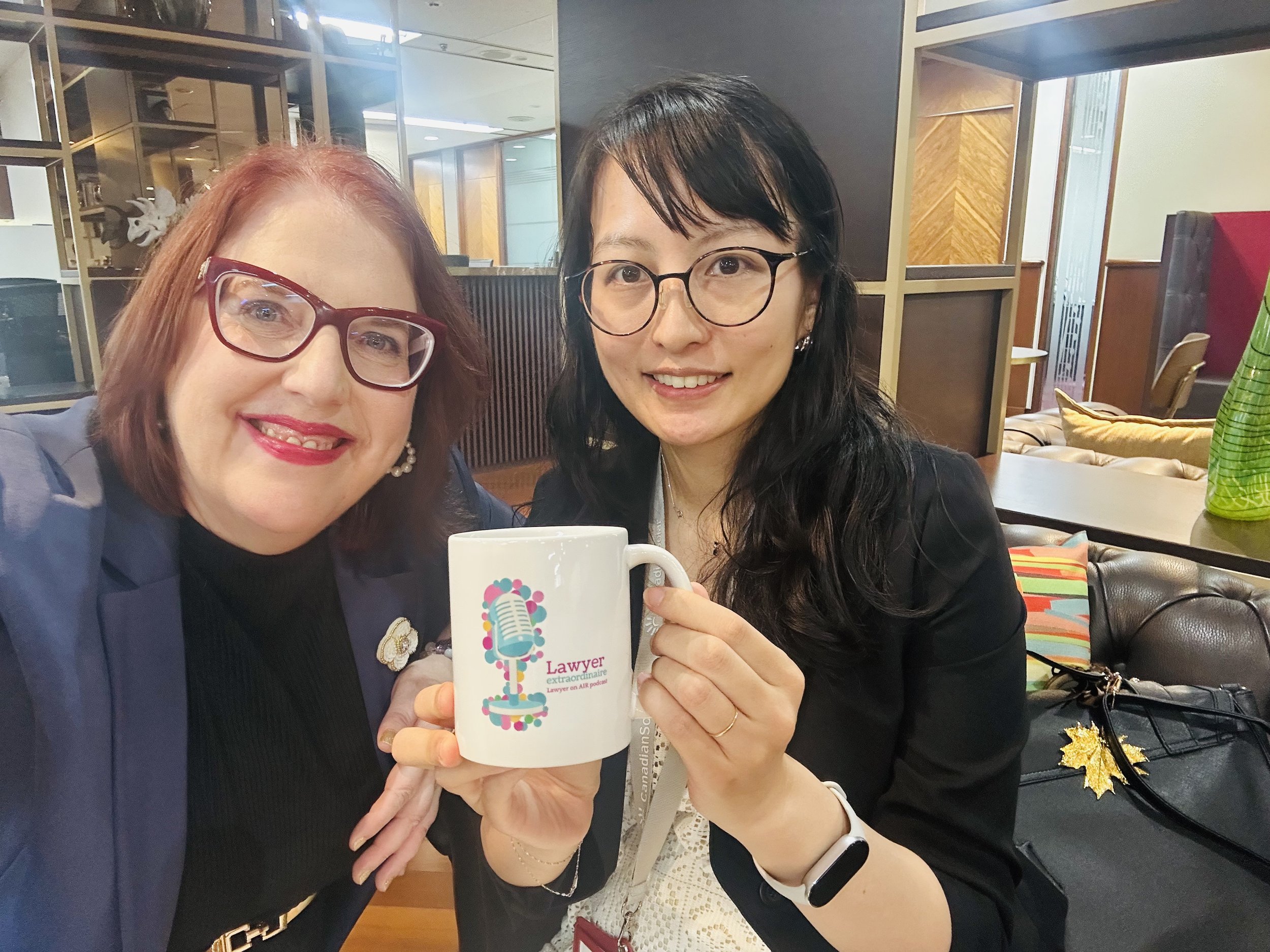
📸 Photos with Lawyer on Air Guests
My gift to Lawyer on Air guests is a branded coffee mug. When we take photos together, I like to call them "mug shots." Here is Liting Cong, who dropped by the office during a visit to Tokyo from Osaka. Since changing companies after recording her episode, this mug will now take pride of place on the desk in her new office. Akiyo Inoko Hewitt was also in town and we stopped by a cocktail bar recommended by one of the guests on an episode of Lawyer on Air. It was so amazing. And the name remains secret so please get in touch if you want to know where we are!
🌿Jandals in Japan® Podcast Latest EpisodesEpisode 76: Peri Drysdale - CEO and Founder of New Zealand’s iconic sustainable fashion brand Untouched World.
From growing up on a sheep farm in the Rakaia Gorge in the South Island of New Zealand, to becoming a registered nurse, and then launching a global wool business with just $200 in the bank, Peri's journey is nothing short of remarkable. Discover how she broke into Japan's notoriously difficult department store market, the power of persistence, and why being a foreign woman in Japanese business turned from a double negative into a surprising advantage.
In this episode you’ll hear:
– How Peri started a global wool business with $NZ200 in the bank
– The jaw-dropping story of how Peri got her products into prestigious Japanese retailers
– The "two minuses make a plus" philosophy
– Peri’s Essential lessons for doing business in Japan
🎧 Link to listen on your favourite player or YouTube: https://www.jandalsinjapan.com/episode/seventy-six
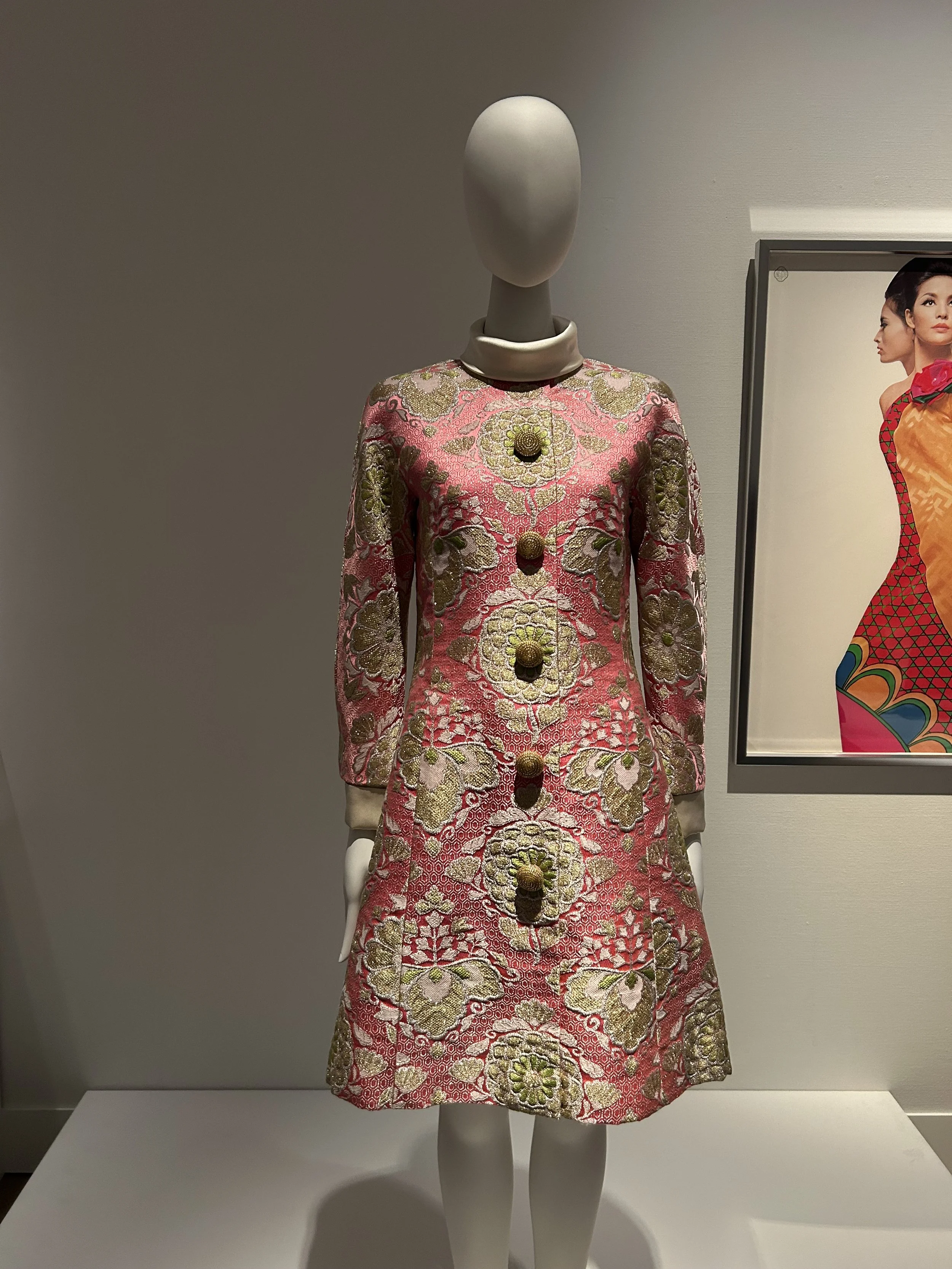
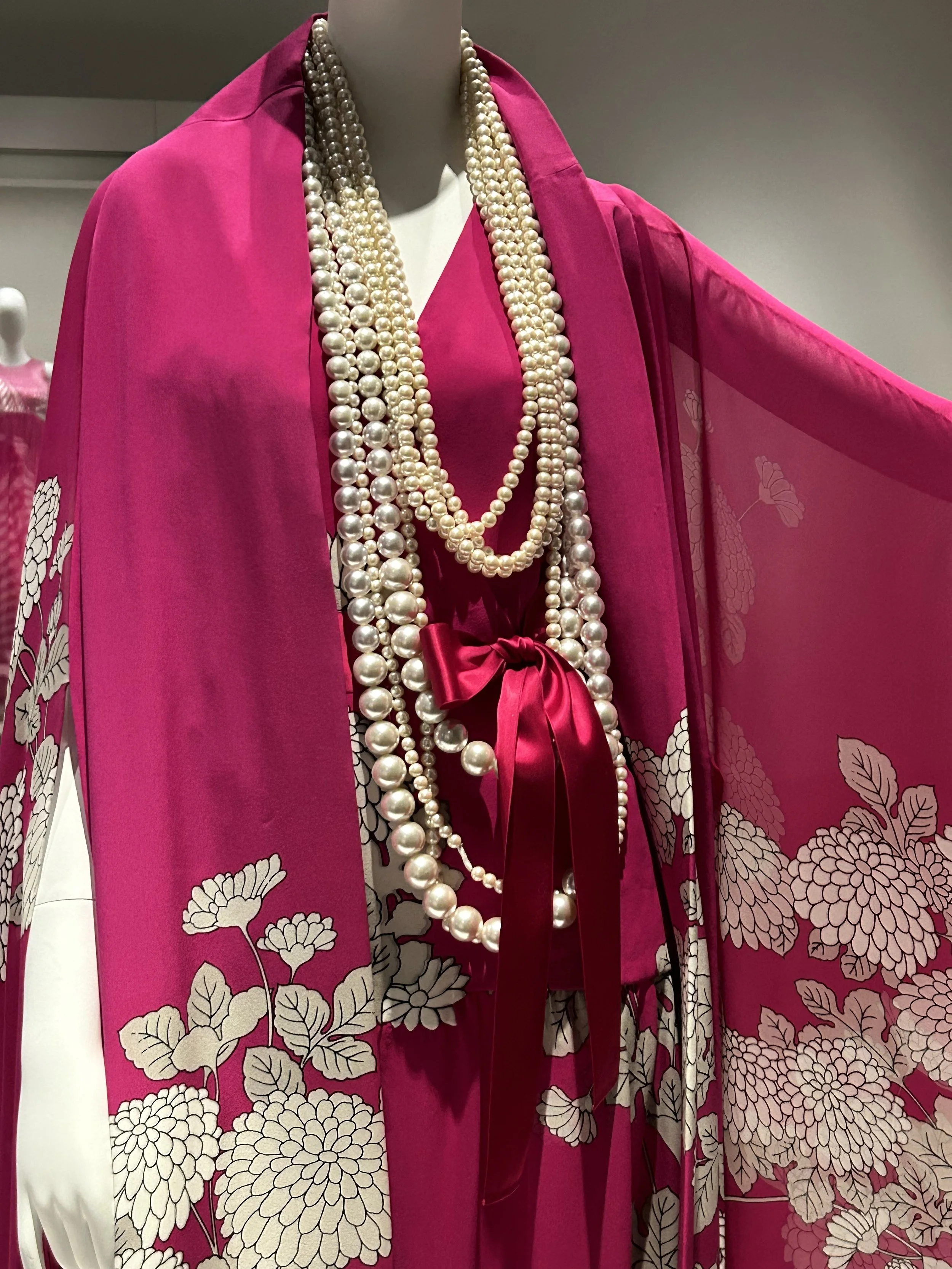
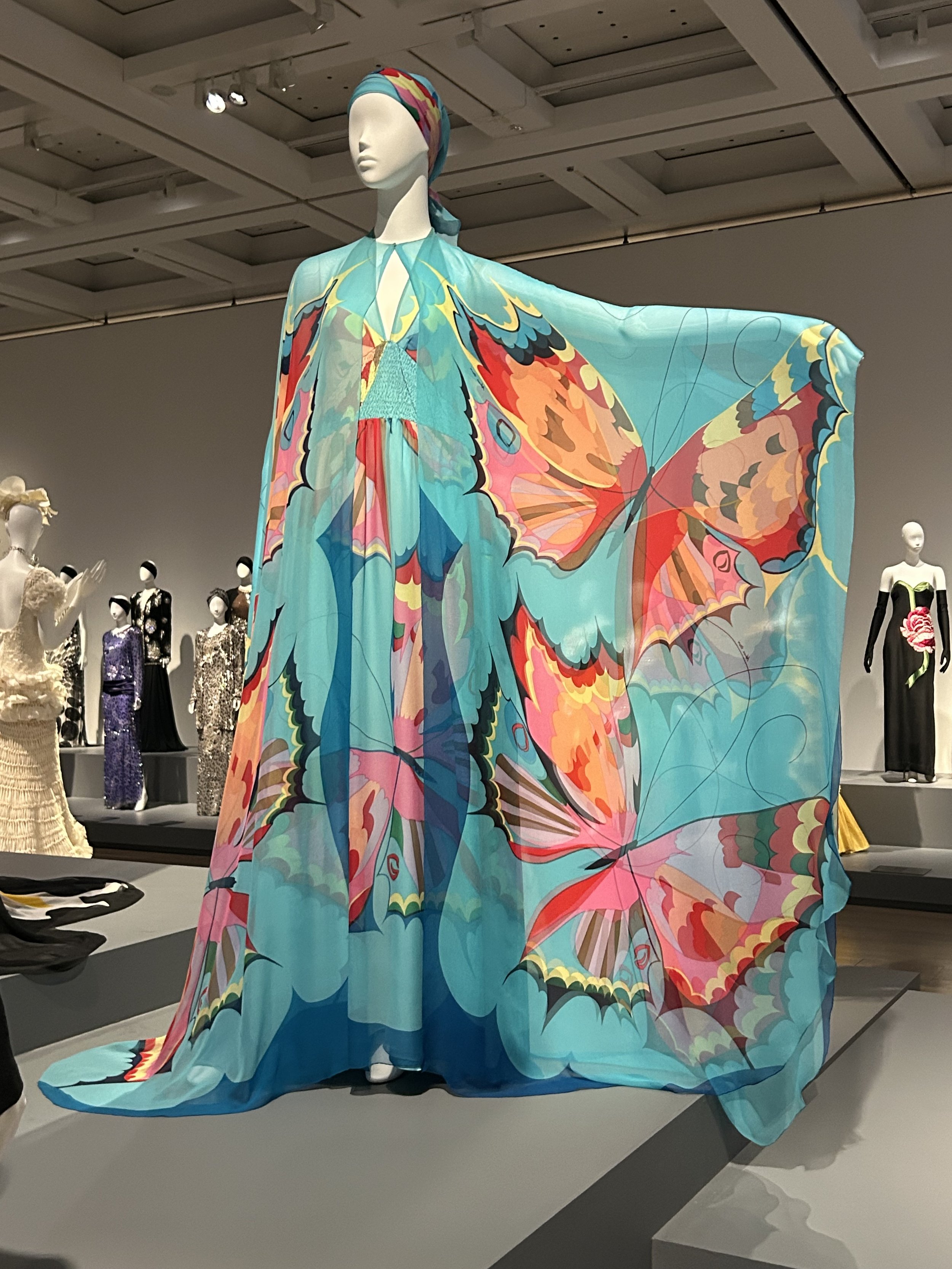
👗 Hanae Mori exhibition - rooms full of fashion eye candy
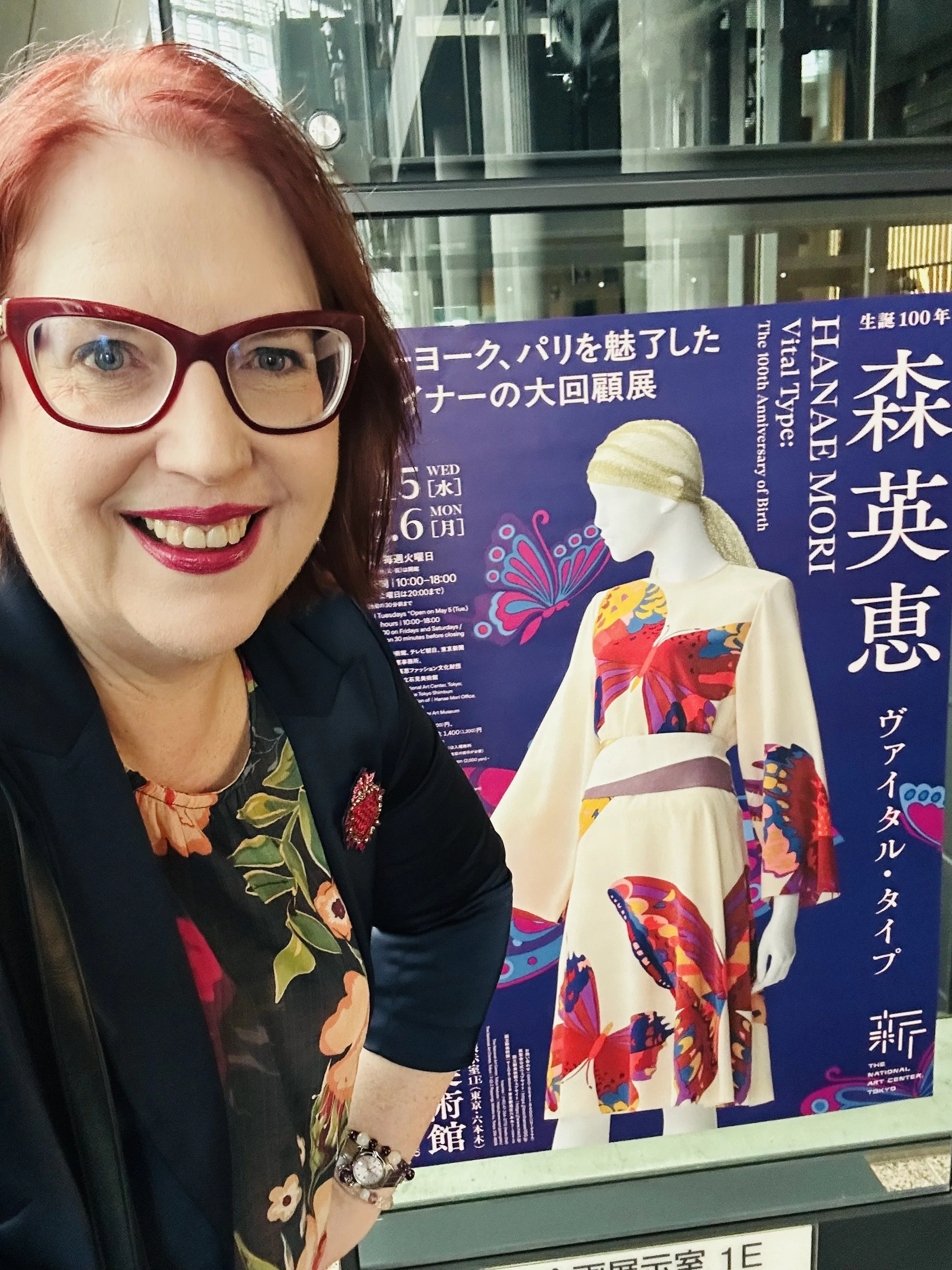
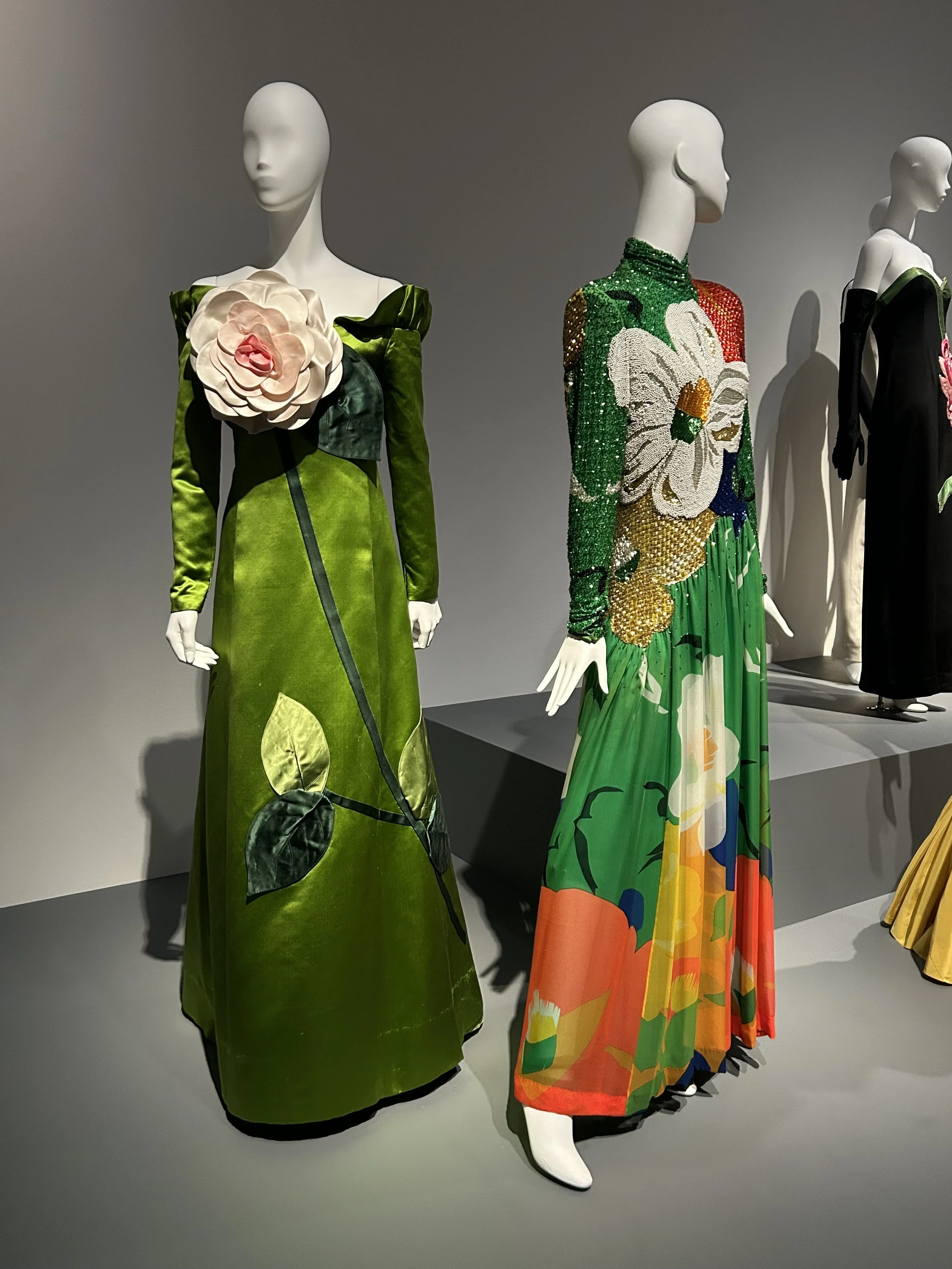
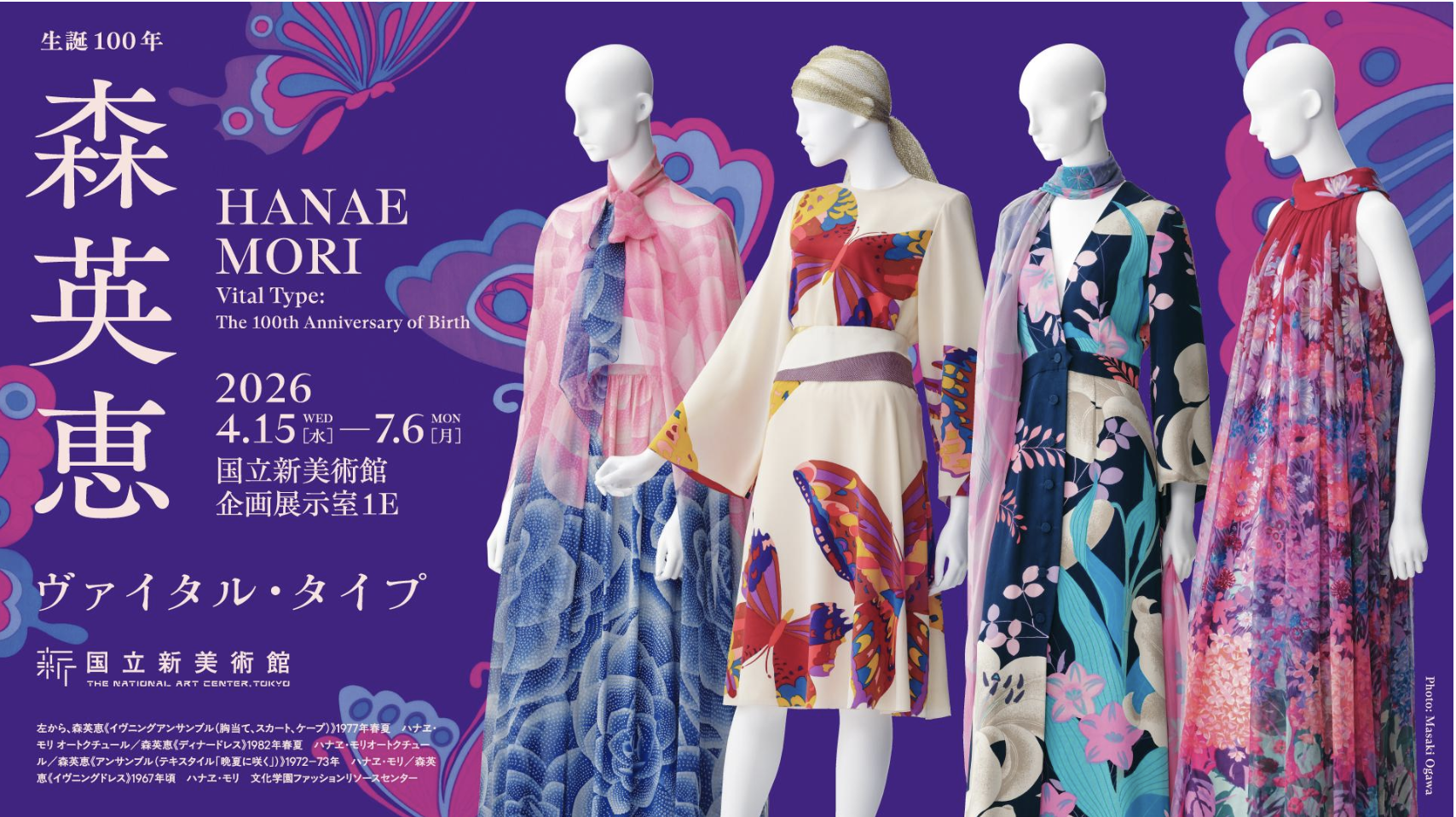
When I first arrived in Japan 23+ years ago, one of the first Japanese fashion designers I noticed was HanaeMori. So it was with relish that I visited her exhibition in Tokyo at the National Art Center in May:The Japanese Haute Couture That Captivated New York and Paris: 400 Works Tell the Full Story of Hanae Mori.
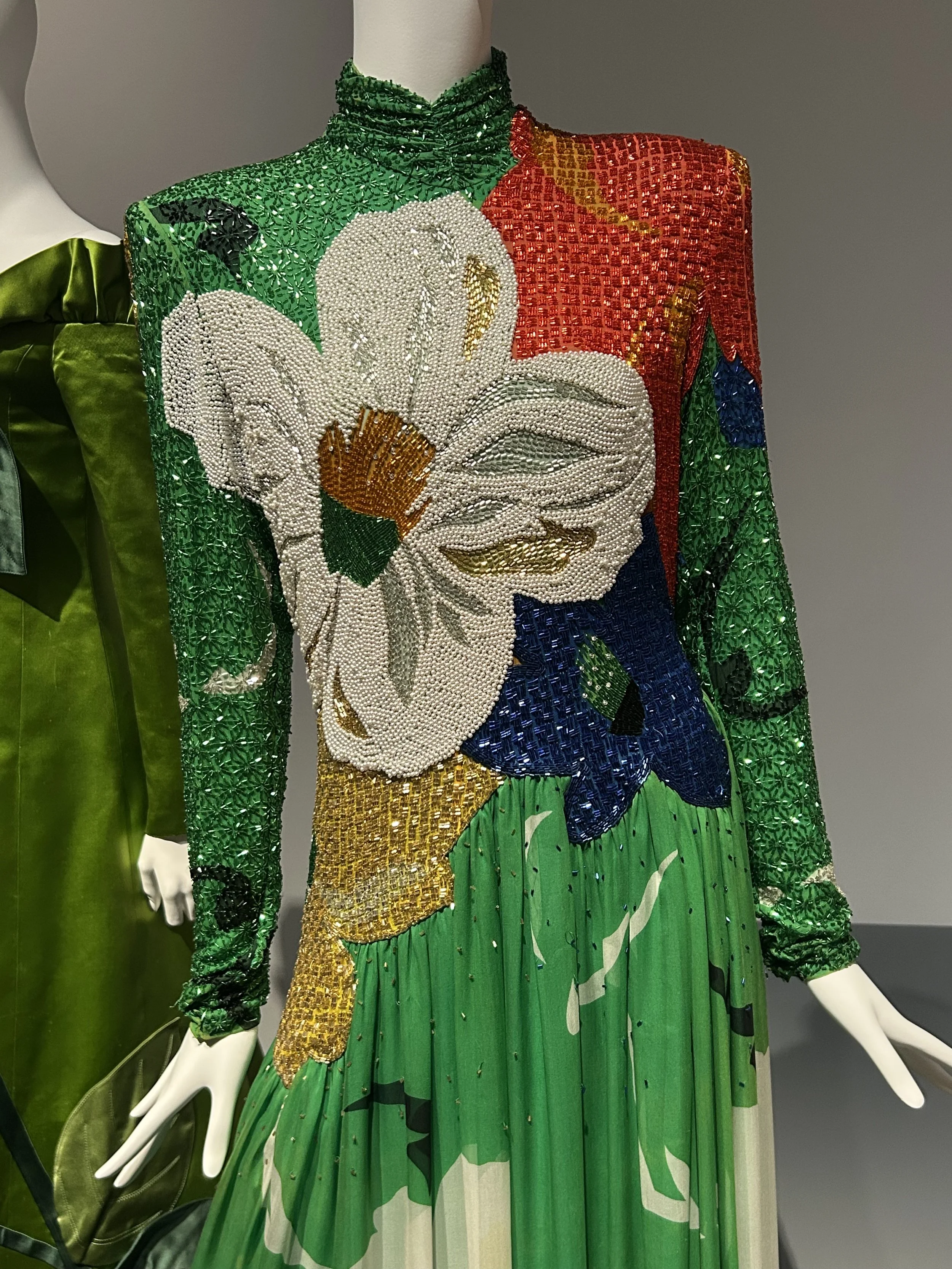
The exhibition marks the 100th anniversary of her birth, and is the first retrospective of Hanae Mori since her death. Mori was a leading figure in Japanese fashion and was the first Asian designer admitted as a regular member of the Chambre Syndicale de la Haute Couture in Paris. The rooms were dazzling, with 400 haute couture dresses tracing her evolution across different eras of fashion. What impressed me most was not only her extraordinary creativity but also her determination to build an international career at a time when few Japanese women were doing so. Seeing the intricate beading and craftsmanship up close gave a real appreciation for the artistry behind each piece.
Mini Tip: Buy your ticket in advance online via Lawson and pick your ticket up the Lopi machine at any Lawson store. You skip the ticket queue at the venue if you do. After the exhibition, don’t leave the National Art Center without checking out the fabulous array of Japanese souvenirs on B1 floor and if you are a little bit peckish the cafe has reasonably priced pasta and curry menus to recharge with before you head outside for your next adventure.

🌸 Staycation in Tokyo's Little Kyoto
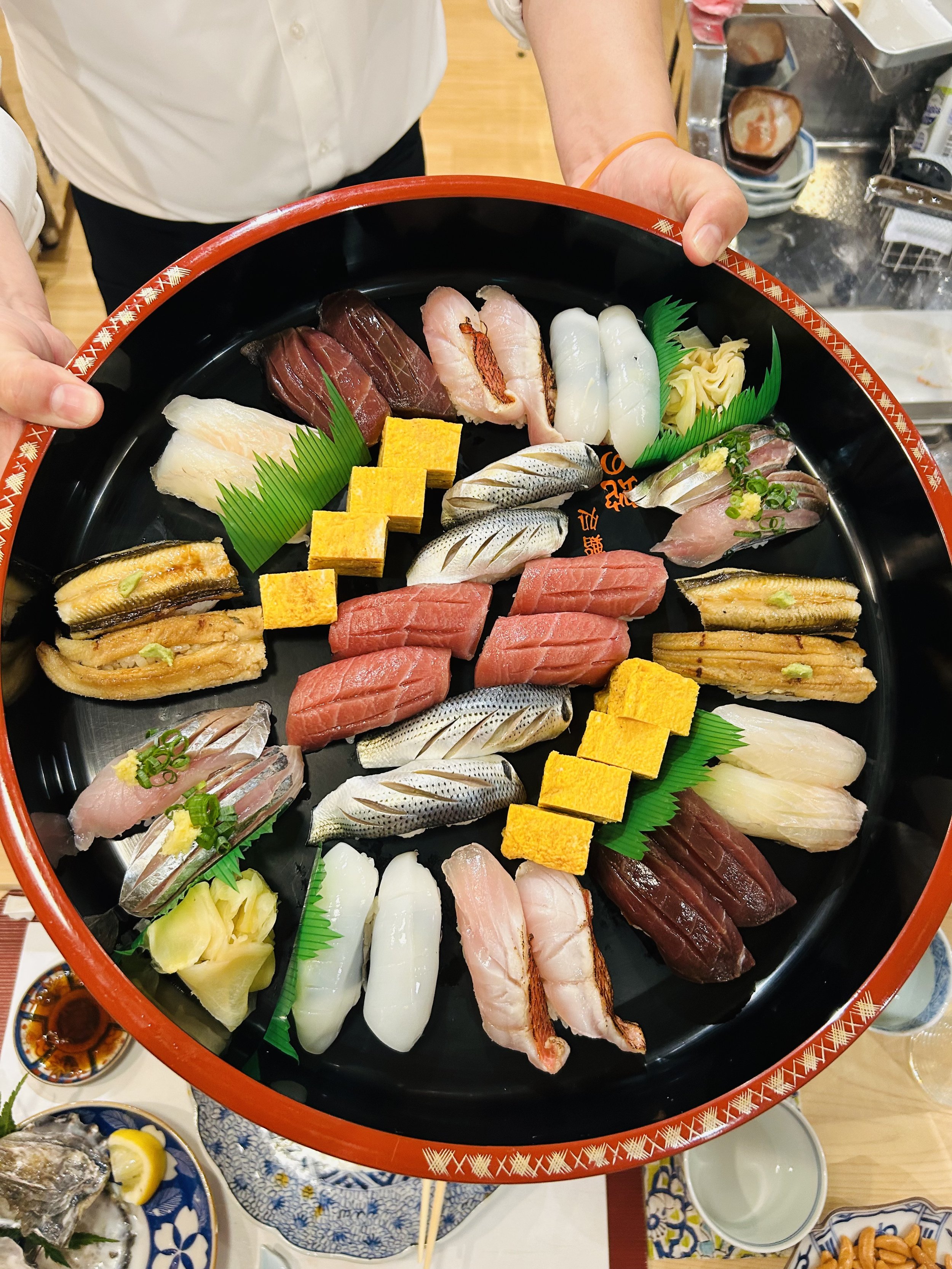
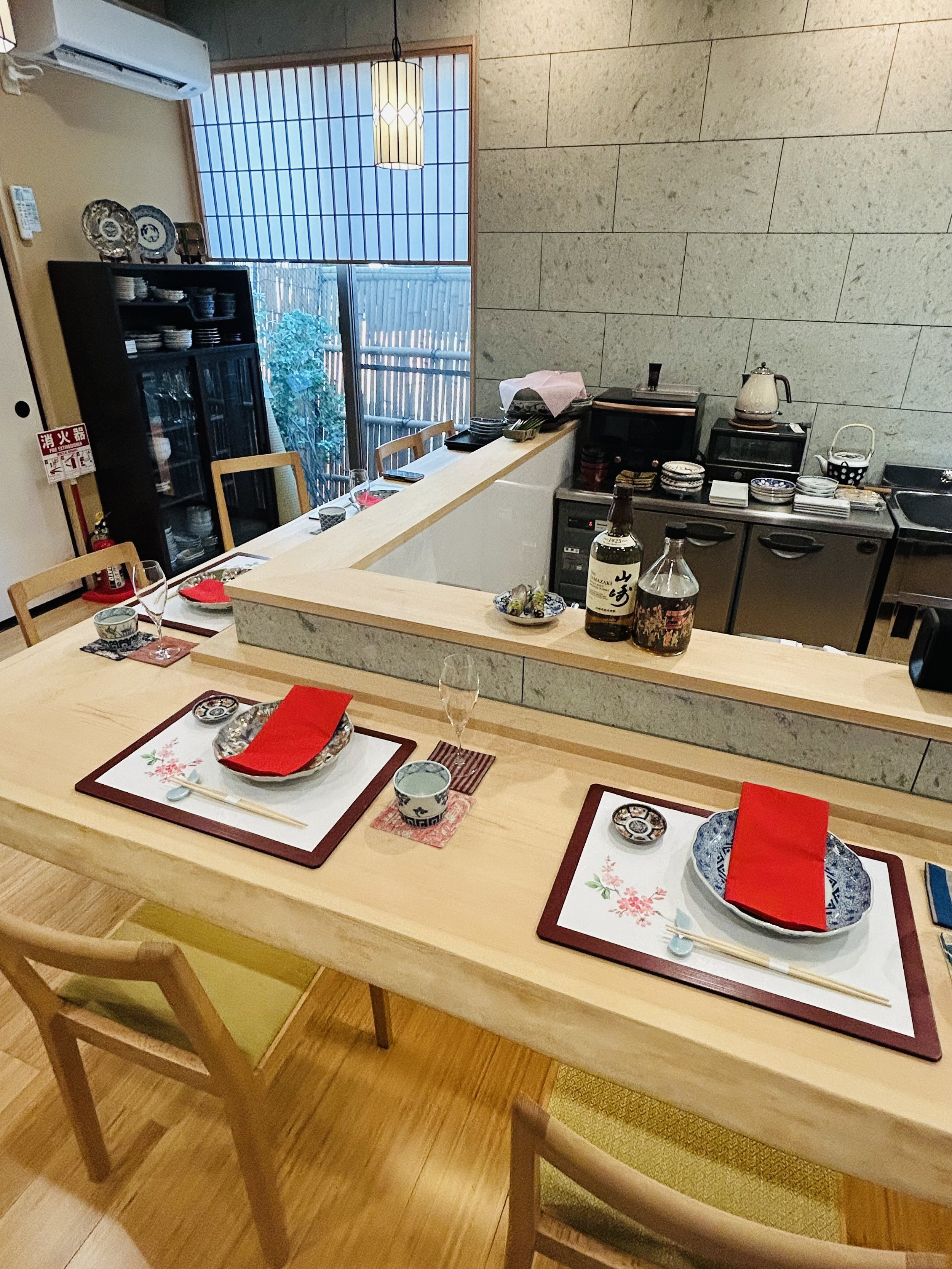
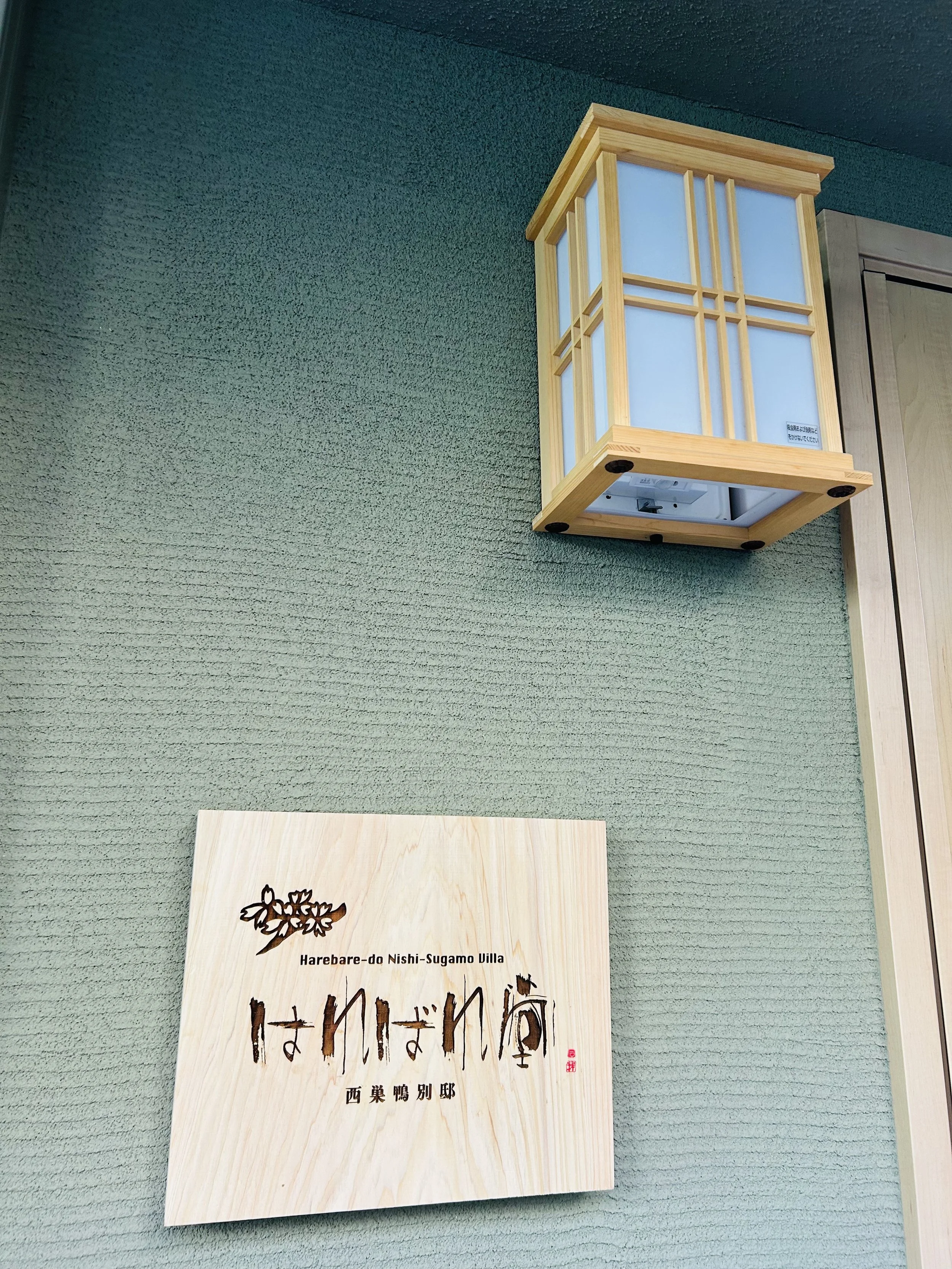
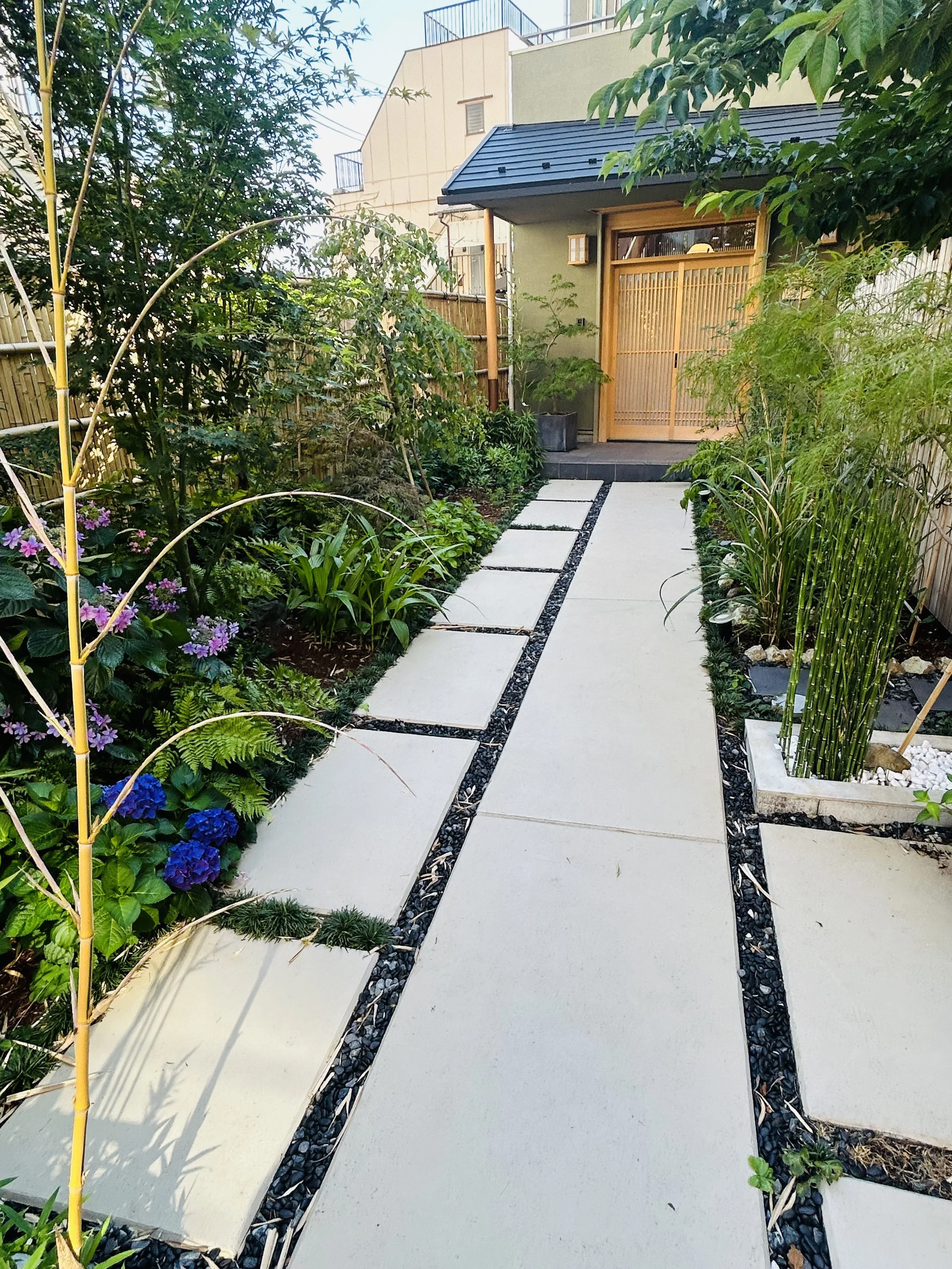
I can wholeheartedly recommend a stay at what has become my new favourite Airbnb in Tokyo. You may have never visited before that is called “Tokyo’s Little Kyoto.” Nestled in the serene neighbourhood of Nishi-Sugamo, you can find Harebare-Do Nishi Sugamono Villa - a beautifully designed Japanese home that blends traditional craftsmanship with modern comfort. It accommodates up to 8 guests across three bedrooms. Features of the house include, a hand-crafted sushi-bar counter, and a luxurious hinoki (Japanese cypress) deep wooden bathtub. Hare-bare was lovingly built by a family who has lived on this land for over a century and the residence has been thoughtfully curated as an “adult hideaway”. We enjoyed taking advantage of the personal chef, who used gorgeous Japanese fine ceramics and antique Imari collected from across Japan. Seasonal hydrangea flowers greeted us in the charming front garden and we left after two days of inspiration, rest and celebration in a home that allows you to slow down and savor the refined beauty of Japanese living.
How to get there?
Harebare-Do Nishi Sugamono Villa is 1 minute’s walk fron Exit A1 of Nishi Sugamo Station on the Mita line. It’s also 2 minutes on foot from Nishi-Subamo or Horiwari Bus stops. And 1 minute on foot from Shin-Koshizuka stop (Toden arakawa Streetcar Line)l You can find them on Air B&B. Book here (and mention Catherine recommended you for extra special service).Book on Air B&B: Here
Mini Tip: Taking off on Friday afternoon and staying for TWO nights feels like you have been away a whole week and is so refreshing. One night stay is nice too but when you unpack then pack again it feels rushed but falling into bed
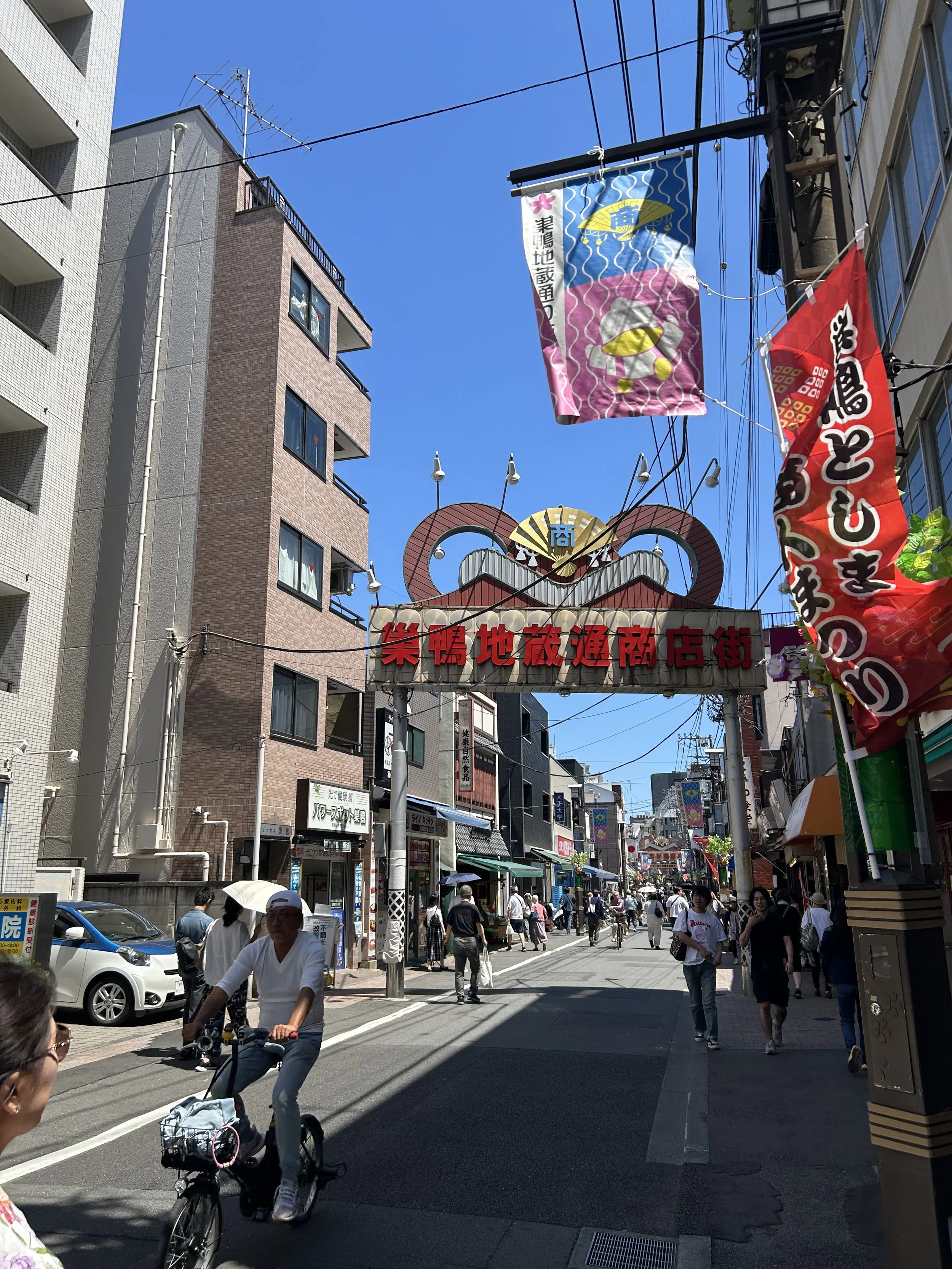
🌸 Explore Sugamo Jizo-Dori Shopping Street
One of the joys of our stay in Nishi-Sugamo was exploring nearby Sugamo Jizo-Dori Shopping Street. Located along the historic Nakasendo Road - the first post town from Nihonbashi during the Edo period - it offers a fascinating blend of old and new Japan.
Known affectionately as "Grandma's Harajuku," the street is famous for its colourful fashion stores, selling everything from bold-print synthetic garments to beautifully crafted linen and indigo-dyed clothing. It is the kind of place where you can wander without a plan and still discover something unexpected.
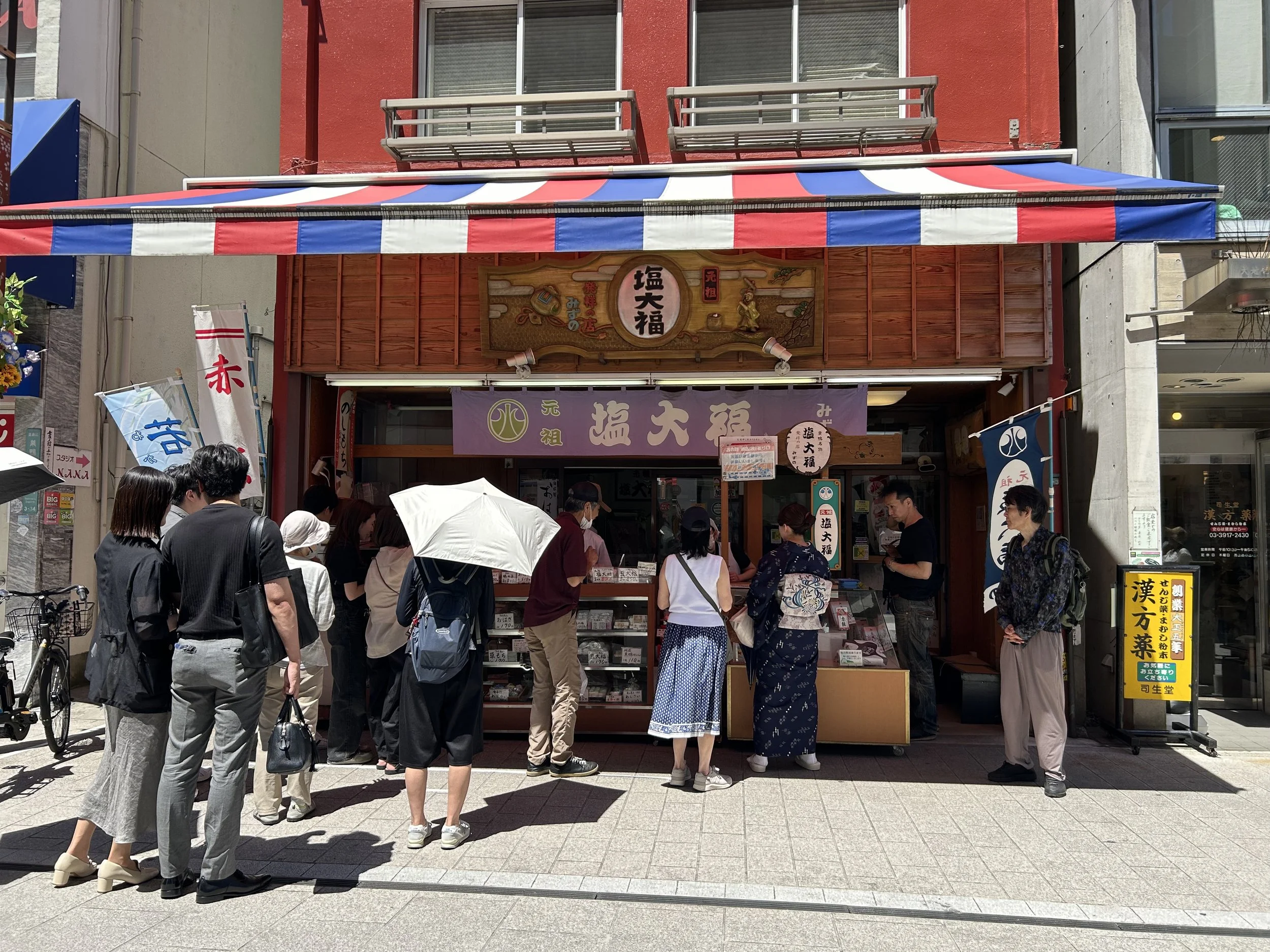
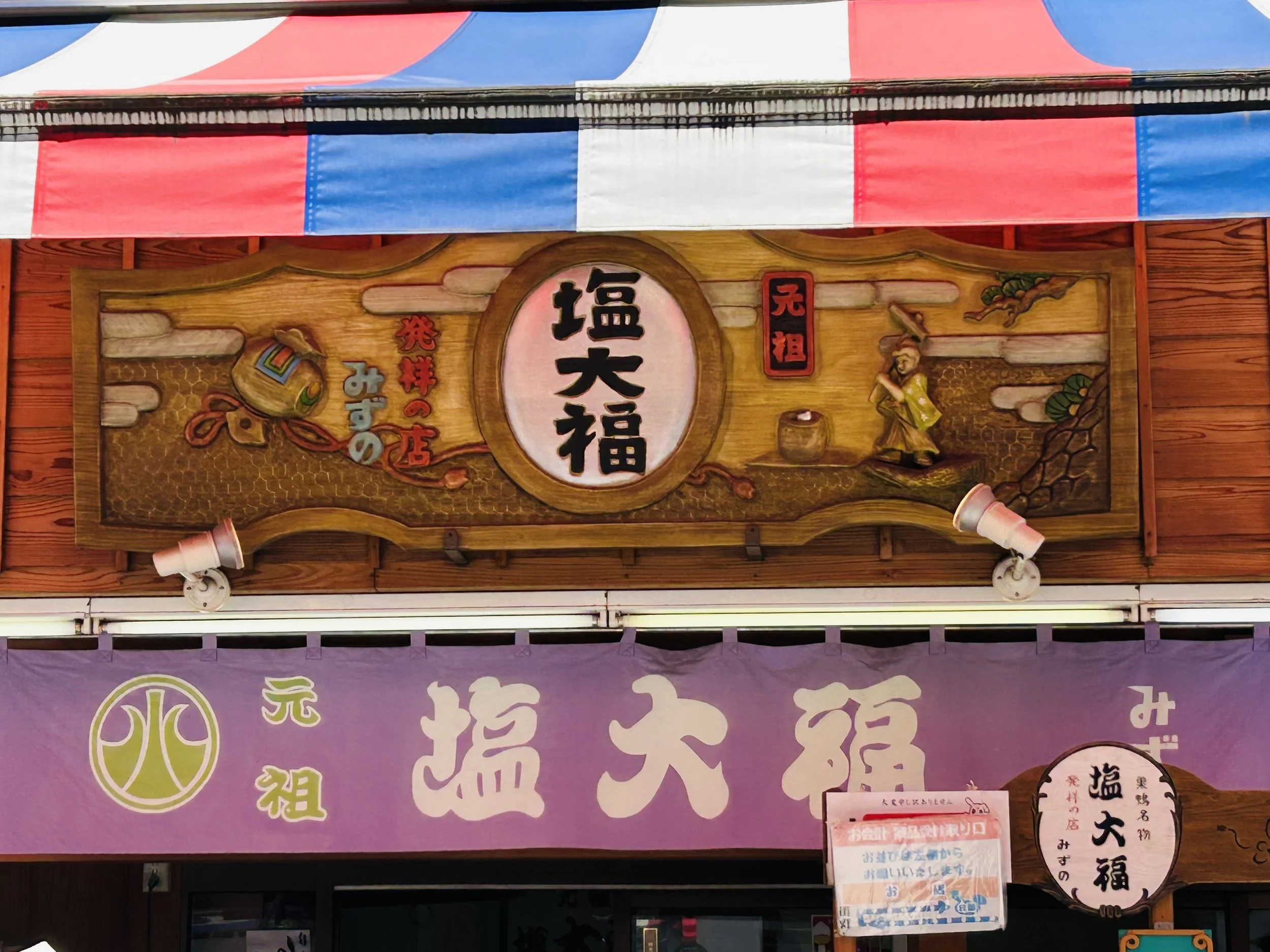
Food lovers should not miss the famous salted rice cakes (Shio Daifuku) and Torinoko Mochi from the long-established confectionery shops that line the street. Alongside traditional sweet stores, you'll find coffee shops, small cafés, and specialty retailers that feel delightfully untouched by time.
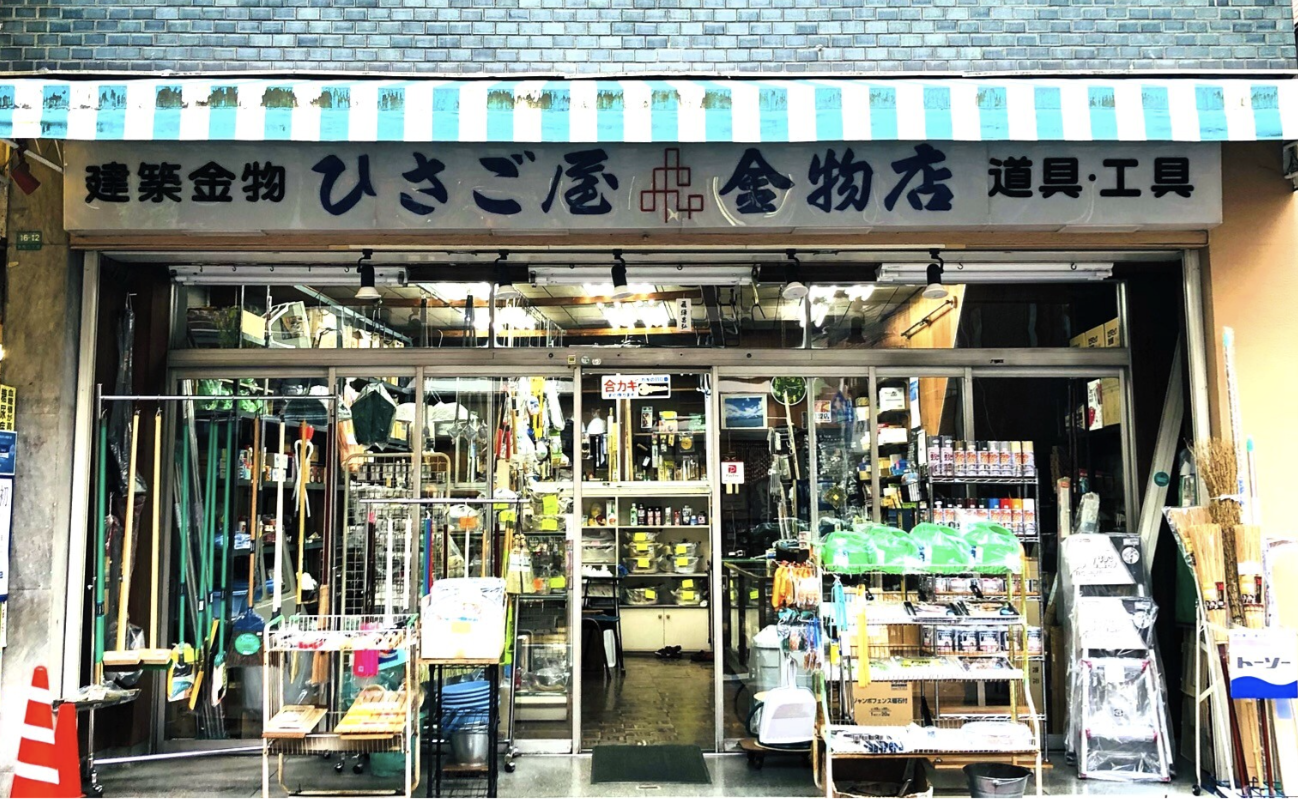
One of my favourite discoveries was Hisagoya, an old-fashioned architectural hardware store with a traditional storefront. The irony of finding PayPay accepted inside a shop that looks as though it belongs in another era was not lost on me.
Mini Tip: Visit on a day ending in "4" (the 4th, 14th, or 24th of the month). While the number four is often associated with bad luck in Japan, these dates are when special market stalls appear along the street, selling antiques, crafts, and miscellaneous treasures. In Sugamo, a day ending in four may just be your lucky day.
🗣I appeared on the Studying Law Around the World Podcast
One of the things I enjoyed most about this conversation with Claudio Klaus on the Studying Law Around the World Podcast, was that we didn’t just talk about legal careers, but also we talked about how careers actually unfold in real life. They are hardly ever through perfect plans. They are usually never through certainty and they are rarely in a straight line.We spoke about the moments that law school often doesn’t prepare you for:– learning how to communicate advice in a way businesses can actually use– understanding that relationships and trust matter deeply in legal work– realising that confidence usually comes after action, not before it and – learning how to operate inside another culture, not just alongside itOne thing I reflected on during the conversation was how much of my own career in Japan was built layer by layer over time without me holding a 5 year or 10 year plan.
When I first came to Japan, it was meant to be for 1 year. More than 2 decades later, I can now see that many of the opportunities that shaped my path came not from having a perfect plan, but from staying open, curious, adaptable, and willing to keep on stepping forward even without full certainty.
I think that is especially true for careers lived across countries and cultures. Working internationally stretches you in ways that are difficult to explain until you experience it yourself. It changes not only how you work, but how you hashtag#listen, hashtag#communicate, build relationships, and understand people.
One of the themes that keeps coming up for me: both through my own career and through over 100 conversations on Lawyer on Air Podcast is that the most interesting careers are often the ones that don’t exist yet when you begin moulding them.
And perhaps one final thought: 💎 If your path doesn’t quite look like anyone else’s, that is not necessarily a problem to solve. It may simply mean you are building something uniquely yours and as you do that, you provide the clues to others, how they can do it too.

Studying Law Around the World Podcast
🍎Listen here on Apple Podcasts
📺 In case you missed it, I was interviewed on NiBen Bar Association’s YouTube Channel
I had the opportunity to be interviewed by the Tokyo Daini Bar Association (第二東京弁護士会) for their YouTube series “Working with the World.” 🎥 You can watch it: here
This series focuses on foreign registered lawyers (外国法事務弁護士 “Gaiben”) working in Japan, and in this conversation we covered quite a wide range of topics, from how I first came to Japan (⛷️ a ski field and restaurant in Nagano!) to building a career as a bilingual lawyer bridging New Zealand and Japan, and what “collaboration” really means in practice.
Some of the themes we touched on:
– The difference between civil law vs common law (& why neither is “better,” just different)
– Building trust in Japan through consistency & follow-through
– The art of silence (and learning not to rush to fill it)
– Working with Japanese lawyers as collaborators, not counterparts
– Creating pathways for the next generation of lawyers in Japan
I hope this can be of use to those wanting to understand a little more about the lighter side of practising law in Japan.
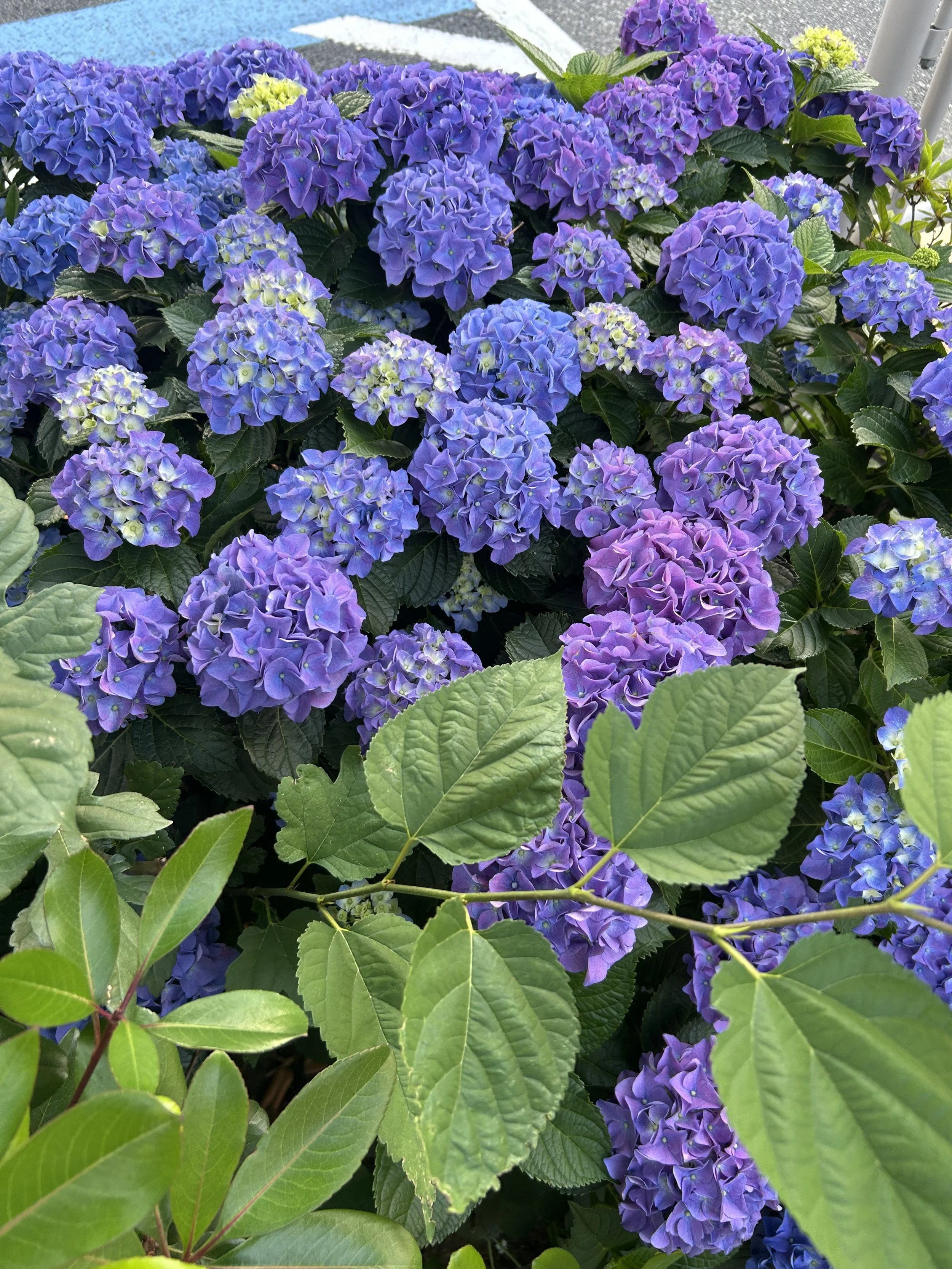
Hydrangeas down the road near my train station
To wrap up …
As I look back on May, a theme has emerged: that of curiosity.
Curiosity led me into conversations, exhibitions, hidden neighbourhoods, and unexpected discoveries. It continues to be one of the most useful companions in both career and life.
As June begins, hydrangeas are starting to bloom across Tokyo and the rainy season is approaching. I will be trying to enjoy them before what promises to be another famously hot Japanese summer.
See you next month!
— Catherine 🌿